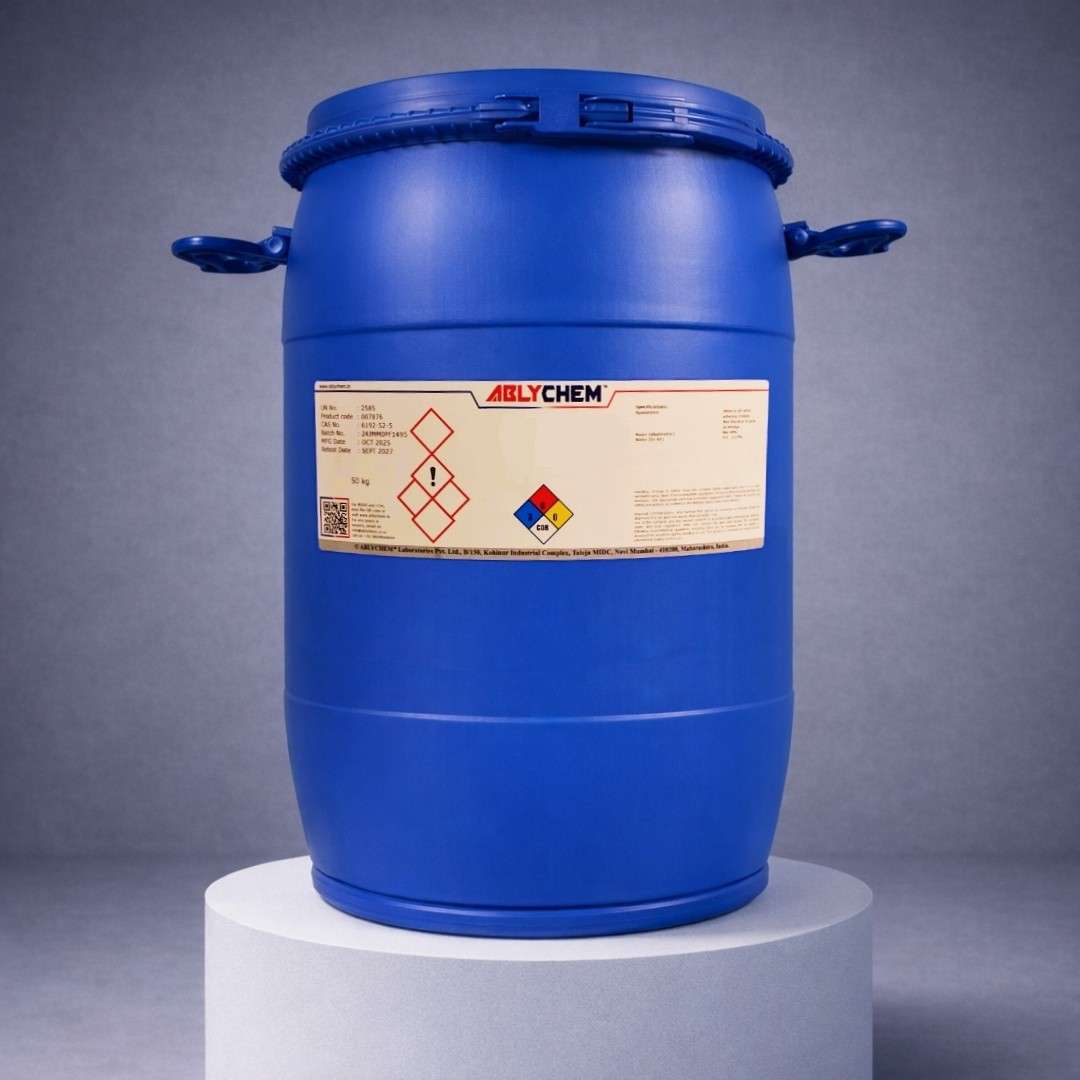
Basic information about this product
Safety and hazard classification
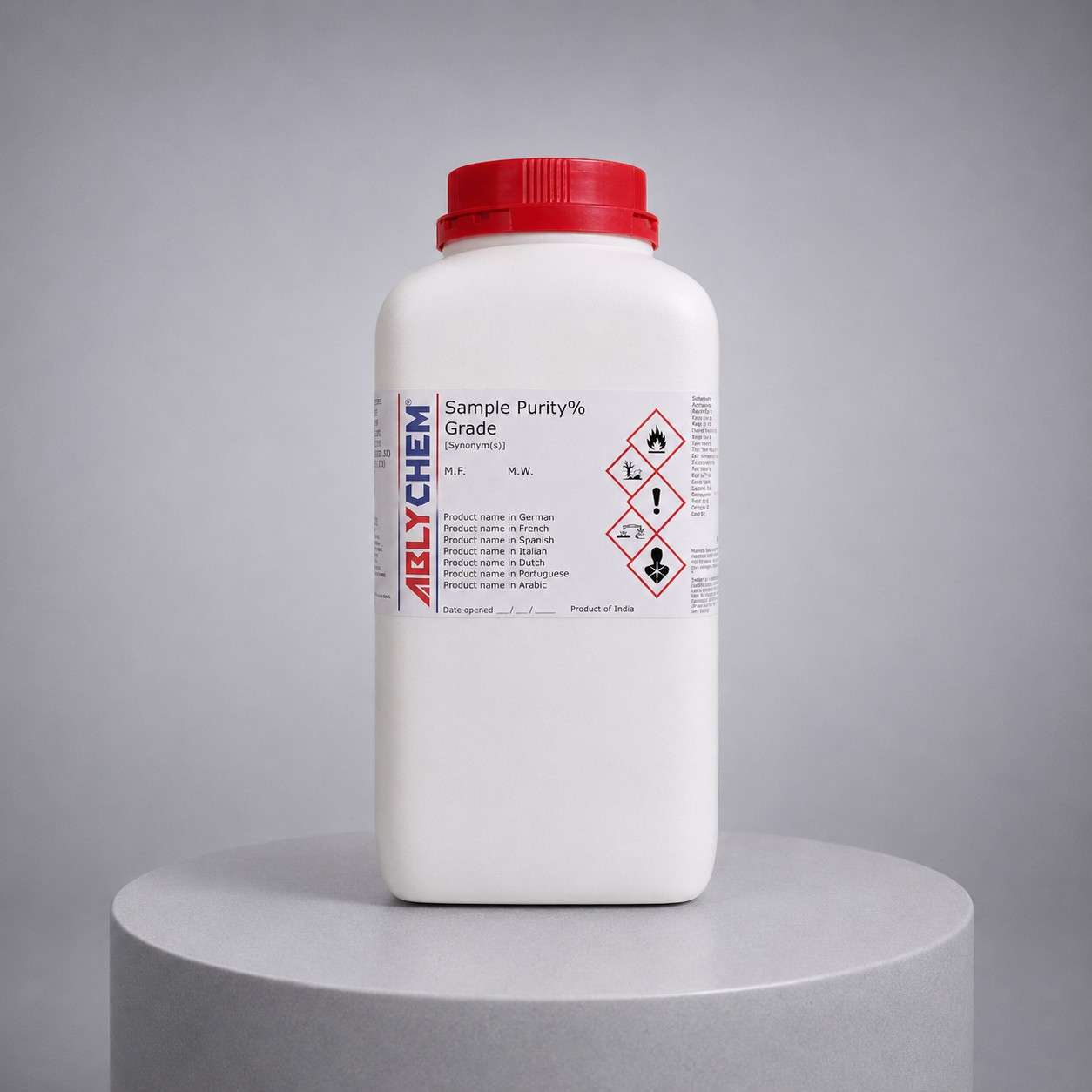
 GHS08
GHS08
Important safety instructions and precautions
Signal Word: Danger
Hazardous Statement: H360FD
Precaution Statement: P201-P202-P280-P308+P313-P405-P501
Detailed information about the product
Product Overview
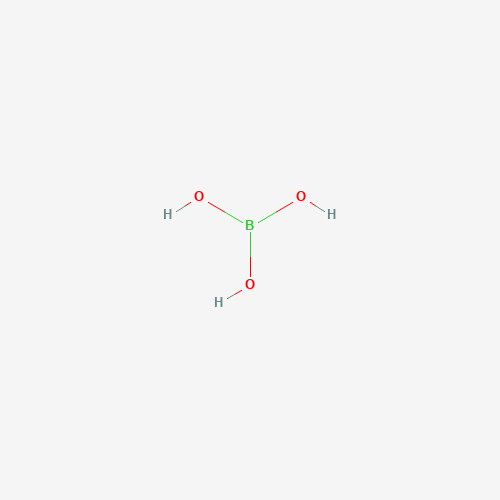
Boric Acid 99.5% AR/ACS (CAS No. 10043-35-3) is analytical-reagent orthoboric acid. Its weak-acid behaviour results mainly from the acceptance of hydroxide to form tetrahydroxyborate, while complex formation with mannitol, sorbitol and related polyols increases its apparent acidity. This complexation provides the chemical basis for well-defined titrimetric procedures involving boric acid and boron-containing samples.
The AR/ACS grade is intended for precise analytical work of a general nature, including reagent-solution preparation, buffer preparation and conventional quantitative procedures requiring ACS-defined reagent characteristics. The grade designation does not automatically confer certified-reference-material status, primary-standard status or metrological traceability.
Typical Applications
Common Synonyms
Storage Conditions
Store in a tightly closed container in a clean, dry area and protect from moisture and laboratory contamination. Close the container promptly after sampling to preserve reagent cleanliness and minimise contamination that could affect analytical solutions or blanks.