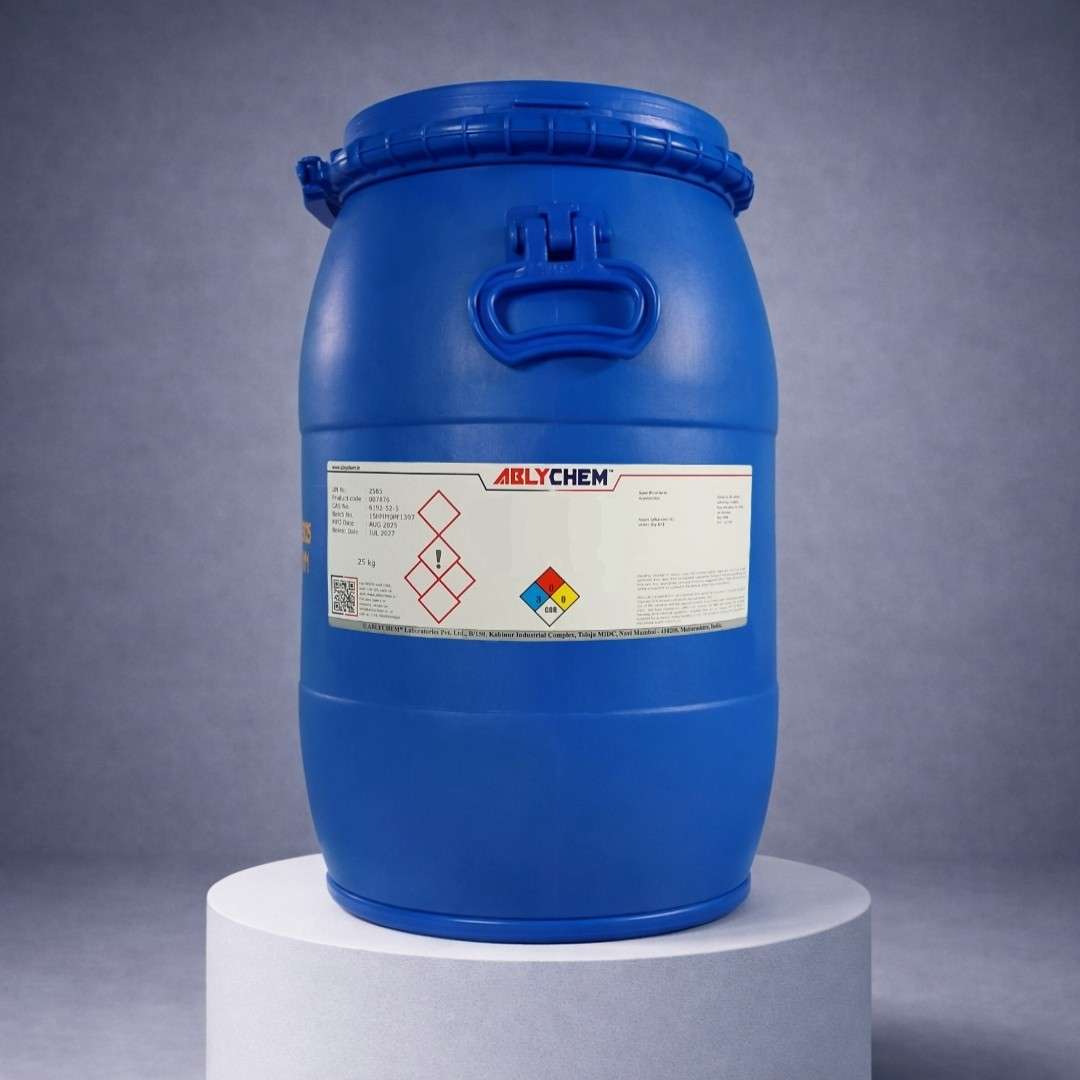
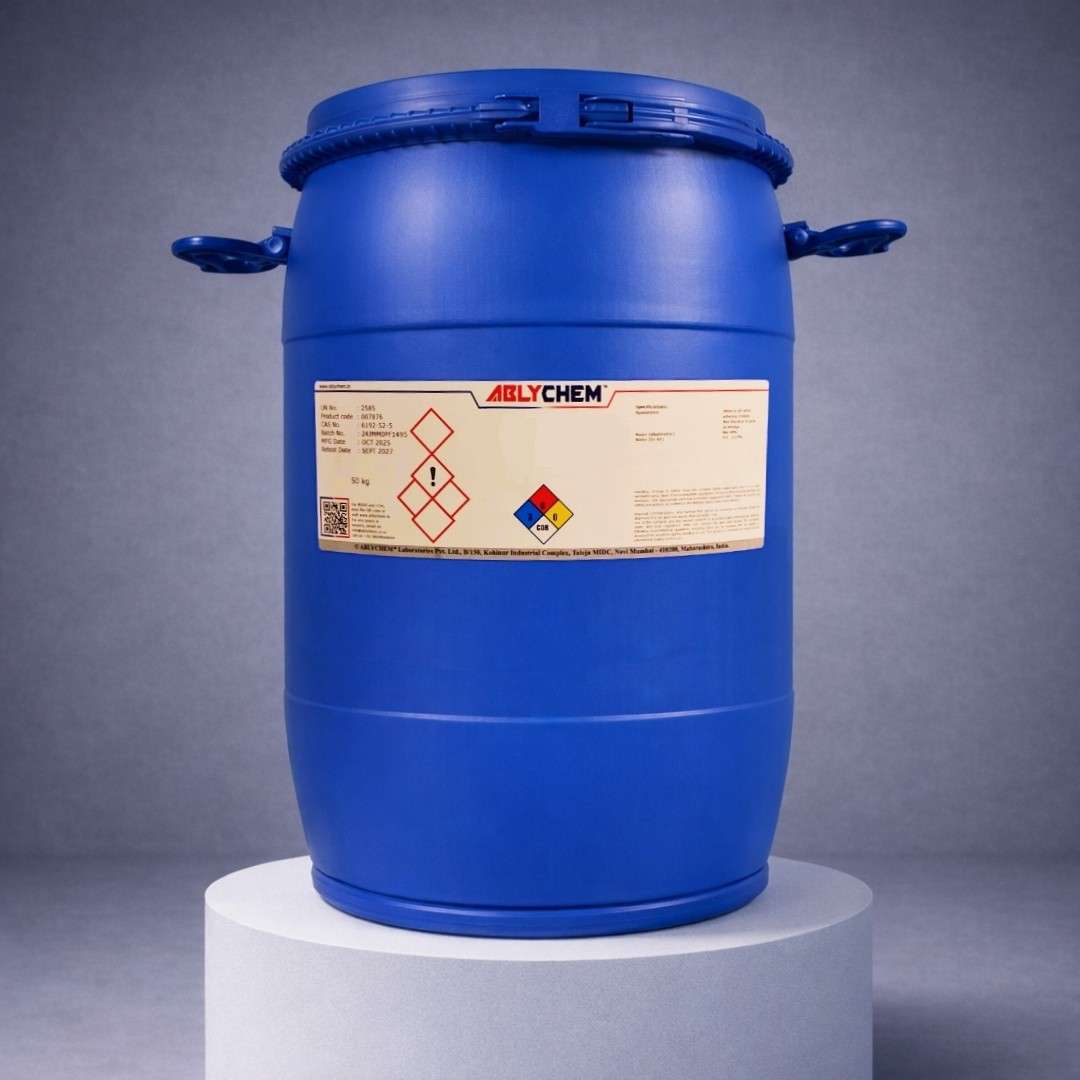
Basic information about this product
Safety and hazard classification
 GHS05
GHS05
 GHS07
GHS07
Important safety instructions and precautions
Signal Word: Danger
UN No.: 1813
IMCO Class No.: 8
Packing Group: II
Hazardous Statement: H302-H314
Precaution Statement: P280-P305 + P351 + P338-P310
Detailed information about the product
Product Overview
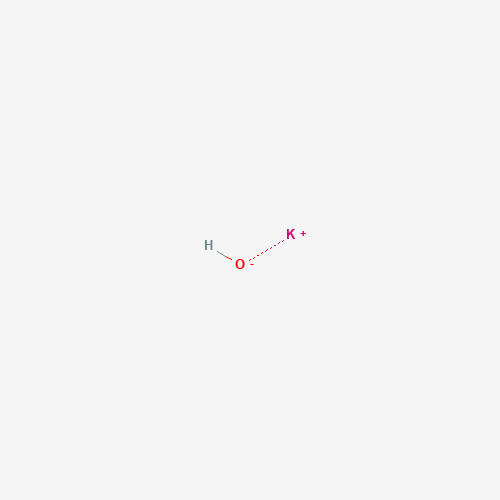
Potassium Hydroxide Pellets 85% Extra Pure (CAS No. 1310-58-3) is potassium hydroxide presented in pellet form at the stated assay. As a strong alkali, it provides hydroxide ions for acid neutralisation, hydrolysis, saponification and strongly basic reaction media. It also has a strong affinity for atmospheric moisture and reacts with carbon dioxide, factors that can progressively alter hydroxide content after prolonged exposure.
The Extra Pure grade is intended for routine preparative work and general laboratory solution preparation. Pellet form offers convenient portioning and handling relative to finely divided powder while retaining identical fundamental potassium hydroxide chemistry.
Typical Applications
Common Synonyms
Storage Conditions
Keep the container tightly closed and limit exposure of pellets to humid air to reduce deliquescence and surface moisture uptake. Minimise contact with atmospheric carbon dioxide because gradual carbonate formation can alter the effective hydroxide composition of material repeatedly exposed during use.