Basic information about this product
Safety and hazard classification
 NO GHS
Important safety instructions and precautions
Safety Statement: 22-24/25
Detailed information about the product
Product Overview
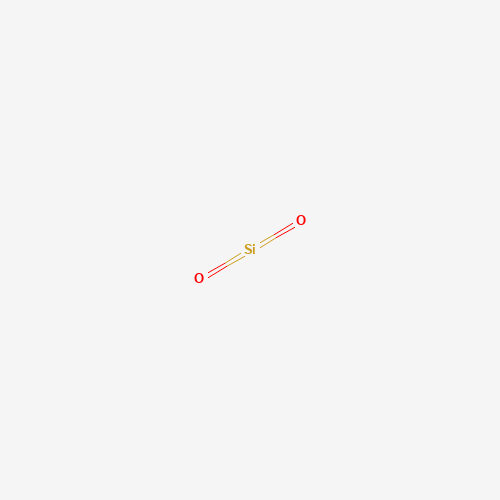
Silica Gel G For Thin Layer Chromatography (CAS No. 112926-00-8) is a polar amorphous silica adsorbent formulated for the preparation of thin-layer chromatographic plates. In conventional TLC nomenclature, the G designation indicates a silica material containing a binder system that assists adhesion of the adsorbent layer to the plate during coating, development and visualisation. Surface silanol groups provide the normal-phase adsorption interactions responsible for separation of compounds according to polarity and functional-group character.
The Thin Layer Chromatography product form is intended for laboratory preparation of adherent silica layers and routine planar chromatographic separations. It supports reaction monitoring, qualitative comparison and preparative method development where manually or laboratory-coated TLC plates are appropriate.
Typical Applications
Common Synonyms
Storage Conditions
Store tightly closed and dry to minimise moisture uptake that can alter silica activity, coating consistency and chromatographic migration. Protect from organic vapours, dust and chemical contamination that could introduce background spots or occupy active adsorption sites.