Basic information about this product
Safety and hazard classification
 NO GHS
Important safety instructions and precautions
Safety Statement: 22-24/25
Detailed information about the product
Product Overview
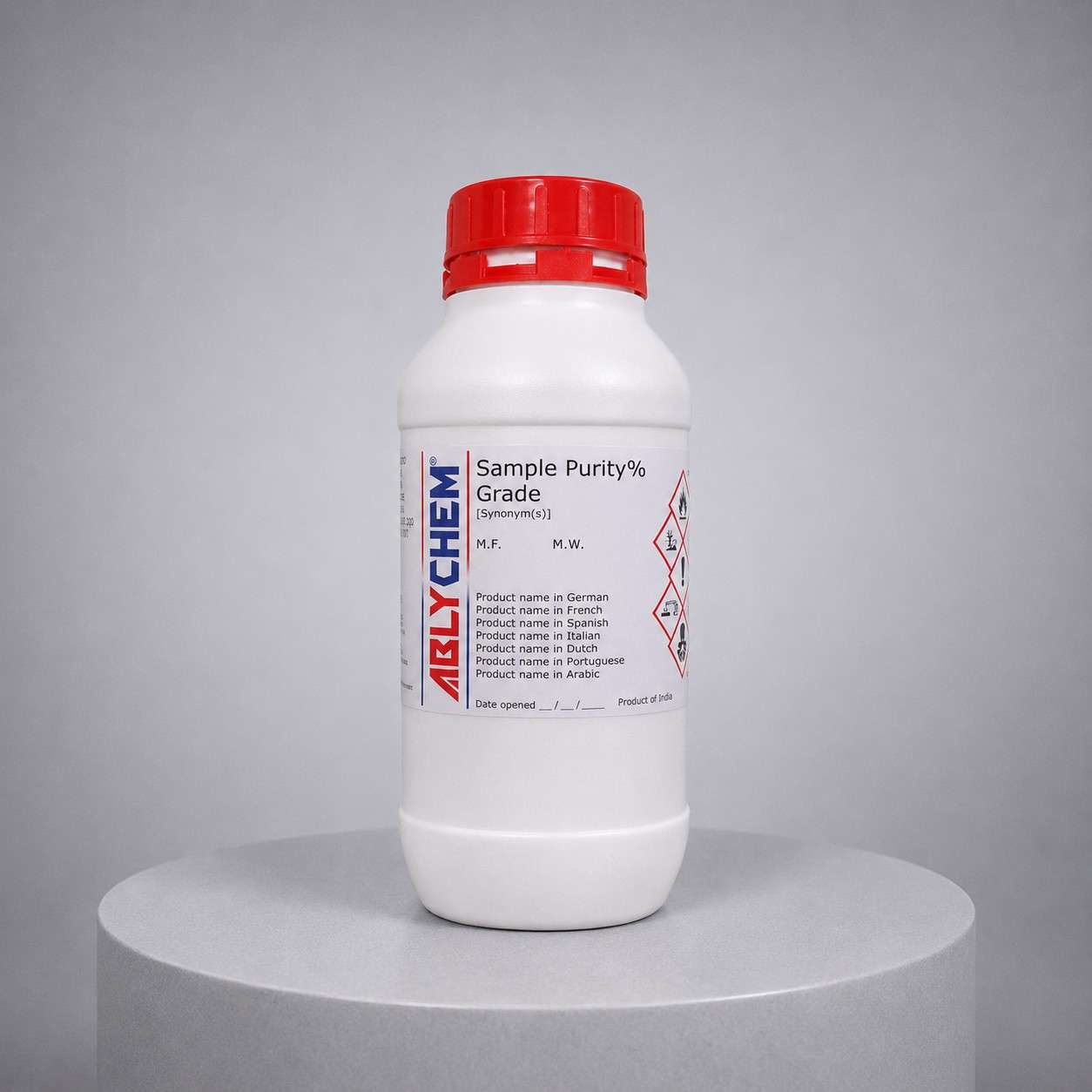
Silica Gel H For Thin Layer Chromatography (CAS No. 112926-00-8) is a polar amorphous silica adsorbent intended for planar chromatographic separations without the conventional gypsum-type binder associated with G-grade TLC silica. The exposed silica surface provides silanol-mediated adsorption and normal-phase selectivity, while the binder-free character allows laboratories to control plate preparation or use the material in procedures specifically requiring H-type silica.
The Thin Layer Chromatography product form is intended for preparation of TLC layers where a binder-free silica system is preferred. It can be used for qualitative separation, reaction monitoring, purity studies and development of chromatographic solvent systems.
Typical Applications
Common Synonyms
Storage Conditions
Store tightly closed and dry to maintain predictable surface activity and coating behaviour. Protect from organic vapours, dust and chemical contamination that could occupy adsorption sites or create background zones during TLC development.